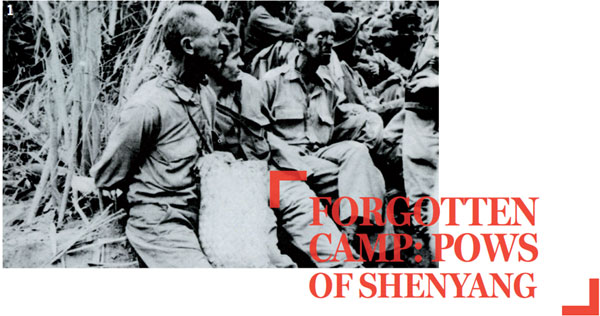
Forgotten Camp: POWs of Shenyang


An exhibit brings to life one of the most notorious
Japanese-run POW camps of World War II
Japanese forces incarcerated some 2,000 Allied troops at the notorious Mukden POW Camp in the northeastern Chinese city of Shenyang.
A historic site and museum today, it is the best preserved of the more than 200 prisoner-of-war camps established by Japanese forces in the Asian-Pacifi c Theater during the war.
"The Forgotten Camp" assembles photographs, drawings and artifacts from Japan's prisoner camp in Shenyang, China, during World War II.
The exhibition off ers a glimpse into the hardships endured by nearly 2,000 Allied prisoners, some among the highest - ranking offi cers taken into captivity, at the Mukden POW Camp, also known as Shenyang World War II Allied POW Camp.
It also depicts the friendships that took root between the prisoners and the local Chinese workers who risked their lives to help them.
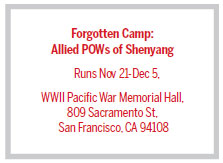
It will open to the public on Nov 21 and run through Dec 5 at the WWII Pacifi c War Memorial Hall in San Francisco.
The exhibition is called "The Forgotten Camp" because this camp and its story went unremembered for half a century until scholars uncovered it in 2003, said Fan Lihong, curator of the exhibition and director of the Site Museum of Shenyang POW Camp of WWII Allied Forces.
The camp housed 2,000 captives from the US, UK, Canada, Australia, the Netherlands and France, from 1942 to 1945. About 1,200 were Americans.
"Compared with the European theater of World War II, I doubt the American public has heard as much about the atrocities the Japanese Imperial Army committed in China and other Asian countries, and the great suff erings the Japanese military inflicted upon the people, including the war prisoners," said Chinese Consul General in San Francisco Luo Linquan.
In the home country of those POWs, this exhibition offers American audiences a chance to learn about what happened during the war from a comprehensive perspective and recall the old days when the Americans and Chinese fought side by side and helped each other, said Luo.
What's special about the Shenyang camp is it was established to lock up the highest-ranking offi cials of the Allied forces taken prisoner during the war, according to Fan.
Among those notable inmates were US Lt. Gen. Jonathan Wainwright, commander of Allied forces in the Philippines who would receive the Congressional Medal of Honor for his heroics during the Fall of Bataan.
Allied prisoners also made friends with Chinese co-workers who risked their lives to off er them food and medicine and even helped them escape, she said.
|
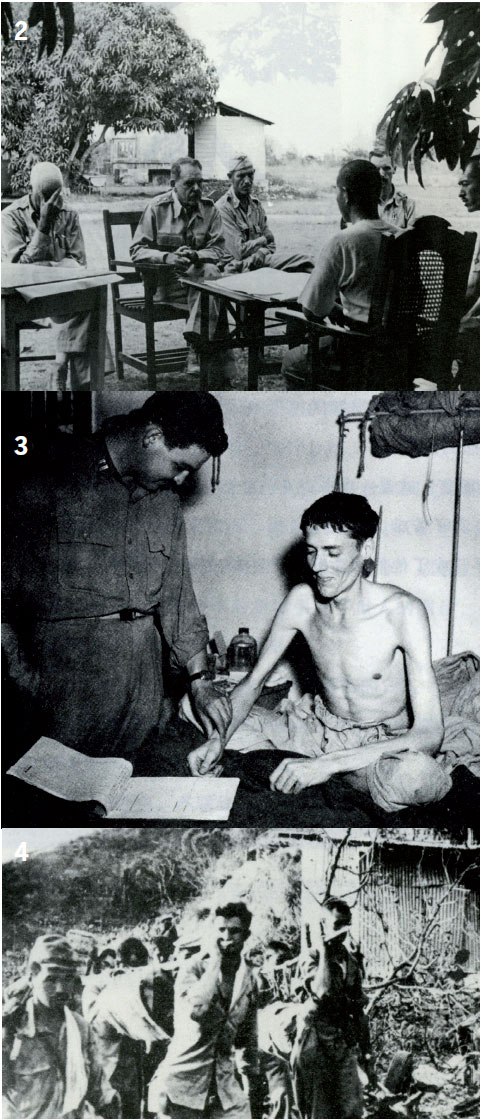
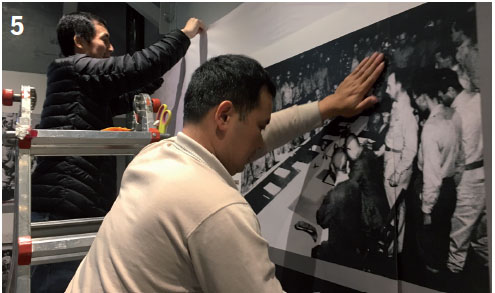
1: Allied POWs during the “Bataan Death March”. 2: 9 April 1942 – US Army Maj. Gen. Edward King (second from left), head of the defense of the Bataan Peninsula, negotiates a surrender with the Japanese army in order to avoid useless sacrifi ce. 3: US Army military doctor examines seriously ill POW Charlton Sheldon. 4: Upon completion of the “Death March”, Allied POWs would bury their dead comrades in arms. 5: Workers prepare for the exhibition’s opening. |
(China Daily USA 11/21/2017 page16)