NZ, Aussie baby formula makers to push integrity
Updated: 2013-07-15 15:21
(Xinhua)
|
||||||||


Australia, New Zealand and China were all signatories to the 1981 World Health Organization (WHO) International Code of Marketing of Breast-milk Substitutes, which required the promotion of breast feeding and "adequate information" through "appropriate marketing" on the proper use of breast milk substitutes.
All INC members marketed their products in Australia and New Zealand in line with local interpretations of the WHO Code, said Carey.
"Outside of Australia and New Zealand in export markets, all INC members market their infant formula products with an understanding of and adherence to the aim of the WHO Code. In other words, breast is best and formula is not marketed to imply that it is as good as or even better than breast milk," she said.
Chinese consumers could have confidence that INC member companies were adhering to "extremely strict" Australian and New Zealand food safety standards and regulations that ensure product traceability "throughout the supply chain," said Carey.
"INC conducts a background check on the owners and shareholders of member companies to ensure they are the kind of people who will adhere both to INC's values and Food Standards Australia New Zealand's rigorous food safety standards. This helps to ensure the integrity of INC and that all its members are reputable."
Last month, the INC warned that "inexperienced companies" were endangering the reputation of New Zealand infant formula in China as media reports highlighted their "lack of basic supply chain integrity."
The New Zealand industry needed a united approach to prevent " short-term opportunism" and marketing that exploited the fears of parents for commercial gain, it warned.
The INC claims the products of its members, who include global food giants such as Bayer, HJ Heinz, Nestle, Nutricia and Fonterra, represent more than 95 percent of the volume of infant formula sold in Australia and New Zealand, including all major supermarket brands.
In June, New Zealand Food Safety Minister Nikki Kaye said she had asked the Ministry for Primary Industries (MPI) to undertake an audit to identify any areas for improvement, including verification, compliance and testing regimes.
She had also ordered a check that New Zealand's Overseas Market Access Requirements (OMARs) were in line with changes being introduced in China's regulations for infant formula.
- More baby formula firms annouce plan for price cuts
- Safety first for baby formula
- Baby formula price probe to shake or reshape industry?
- China launches anti-trust probe into baby formula
- Baby formula industry to consolidate
- Fears linger decade after fake baby formula tragedy
- Chinese parents buy foreign baby formula
- Baby formula scare highlights supervision loopholes
- Foreign baby formula off shelves
- Baby formula pulled off shelves after problems exposed
- China to issue new baby formula regulation
- HK sets baby formula limits

 US star sprinter fails drug test
 Protests erupt after verdict
 Color Run in London promotes healthy living
 Urumqi residents hand in weapons
 Pool jammed in summer heat
 Last stop for the telegrams of India
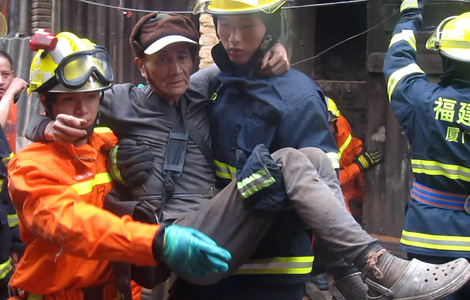 Heavy rain, strong winds as Soulik heads inland
 8 dead, 19 injured after bus leaves road in Jinghong
Most Viewed
Editor's Picks
|
|

|
|
|

|
Today's Top News
Four GSK China execs held for investigation
Asiana survivors coping with post traumatic stress
China's Q2 GDP growth slows to 7.5%
Canada mourns victims of train accident
Air crash students return to families
Snowden says he won't release harmful US data
Local governments face financing woes
Zimmerman not guilty
US Weekly
|

|