New economic system of inviting in and going out
Updated: 2015-01-06 07:48
By Wang Shouwen(China Daily)
|
||||||||


 |
|
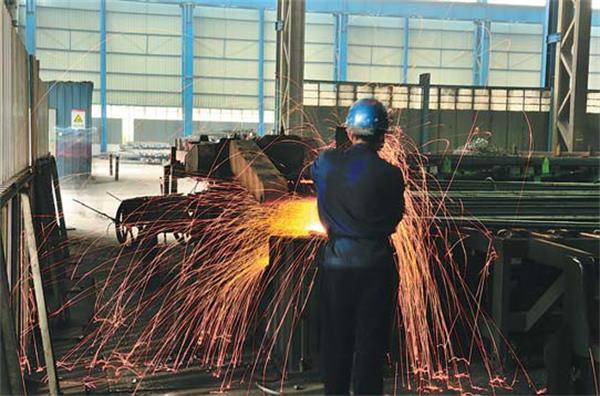
China's growth target for foreign trade has been set at 6 percent for 2015. Provided to China Daily |
The FTAs between the Chinese mainland and Hong Kong and Macao special administrative regions have been upgraded, and the Chinese mainland basically finished FTA negotiations with South Korea and Australia in 2014. Japan, New Zealand, India, and ASEAN members will be key partners in FTA talks in 2015.
China is also promoting its two pro-trade initiatives, namely the Silk Road Economic Belt and the 21st Century Maritime Silk Road.
Through China's efforts, a big breakthrough was a road map for promoting the construction of an Asia-Pacific FTA, with the support of the Asia-Pacific Economic Cooperation members at their meetings in Beijing in November 2014.
The Chinese mainland will continue to abide by the rules of the WTO. The difficulty in finishing the Doha Round of negotiations does not mean the WTO is an outdated mechanism. It is understandably hard for the 160 members of the organization to reach an agreement because of their different development levels and interests.
The WTO has three main functions: negotiations, dispute settlements and trade policy delibera-tions. Some WTO members have not stopped negotiating with each other, and some bilateral talks based on WTO rules have witnessed fast progress.
During the APEC meetings in Beijing, Chinese President Xi Jinping and US President Barack Obama made a breakthrough for an information technology product agreement. IT technology and product trade is one of the most important areas of trade today, contributing $1.4 trillion to the total global trade value of $18 trillion in 2013.
The Chinese mainland has joined the negotiations on a government procurement agreement for the WTO. Generally speaking, government procurement can account for about 10 percent of a country's gross domestic product. Beijing's active involvement in these negotiations is import for the recovery of global trade.
The Chinese mainland has also joined the negotiations on environmental products within the WTO framework. The Chinese government attaches great significance to environmental protection. If the negotiations can cut the tariffs for environmental products, it will be beneficial to society, economy and environment at the same time.
The author is China's assistant minister of commerce.
- Inspection teams to cover all of military in anti-corruption drive
- Tornado, heavy rain batters Central China's Hunan
- Beijing's five-year plan: Cut population, boost infrastructure
- Palace Museum discovers relics buried for over 600 years
- Disney promises ‘safe, pleasing service of high quality’
- Couple detained for selling their two sons
- Rousseff: Accusations against her 'untruthful'
- Almost one-sixth of Brazil's confirmed microcephaly cases linked to Zika
- Impeachment trial against Rousseff recommended to senate
- With nomination secured, Trump to aim all guns at Hillary Clinton
- Obama sips Flint water, urges children be tested for lead
- Massive protests against Abe mark Japan's Constitution Memorial Day
 Raging wildfire spreads to more areas in west Canada
 World's first rose museum to open in Beijing
 Teapot craftsman makes innovation, passes down techniques
 Top 8 iOS apps recommend for mothers
 Five things you may not know about the Start of Summer
 Art imagines celebrities as seniors
 Japanese animator Miyazaki's shop a big hit in Shanghai
 Star Wars Day celebrated around world
Most Viewed
Editor's Picks
|

|

|
|
|

|
Today's Top News
Liang avoids jail in shooting death
China's finance minister addresses ratings downgrade
Duke alumni visit Chinese Embassy
Marriott unlikely to top Anbang offer for Starwood: Observers
Chinese biopharma debuts on Nasdaq
What ends Jeb Bush's White House hopes
Investigation for Nicolas's campaign
Will US-ASEAN meeting be good for region?
US Weekly

|

|