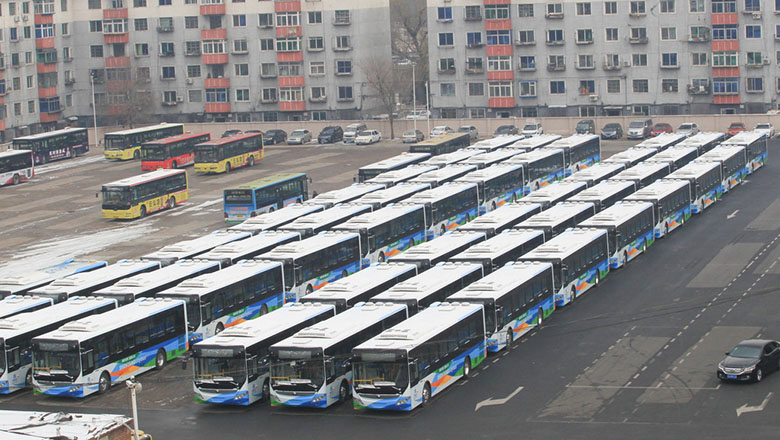
Farming methods have to change for good
Updated: 2015-02-02 09:27
By Zheng Fengtian(Chinadaily.com.cn)
|
||||||||


The No. 1 Central Document once again highlights the importance of modernizing agriculture. But many obstacles have to be overcome before agriculture can be truly modernized.
Since the costs of many agricultural products are higher in China than in overseas markets, imports are preventing the optimum consumption of domestic products. Confounding this problem is the continuous rise in the costs of raw materials and labor.
Wasteful production methods are aggravating the problem of resource shortage; excessive use of pesticides and fertilizers is contaminating soil and water bodies, compromising the quality of arable land; and underground water tables are depleting fast because of unrestricted use of water.
Besides, with the continued migration of working age people from rural areas to cities, mostly elderly people are have to do the strenuous farm work, which is harming agricultural production. And the imbalanced resource allocation between rural and urban areas has been increasing the cost of agricultural production, especially because a large part of China’s arable land is in the Yangtze and Pearl river delta regions.
These are major problems, and to tackle them, the authorities have to change the structure and production methods of agriculture.
To begin with, while evaluating agricultural products the authorities should also take into account the environmental cost — as opposed to the current practice of deciding the price on the basis of input and output alone. Every fall, media outlets are full of news on a bumper harvest. But the overemphasis on output encourages higher outputs at the cost of the environment, and local agricultural departments go all out to achieve the production goals set by their governments.
For instance, the success of the pork industry in Jiaxing in Zhejiang province is measured mainly by the number of pigs without taking into account the water pollution it causes. This has to change, by, for example, shifting pig farms to sparsely populated areas and compelling them to follow high environmental standards.
Second, the way agricultural subsidies are provided has to change. There has been a substantial increase in agricultural subsidies over the past decade with a view to increasing production, which should not be the aim.
- Global health entering new era: WHO chief
- Brazil's planning minister steps aside after recordings revelation
- Vietnam, US adopt joint statement on advancing comprehensive partnership
- European border closures 'inhumane': UN refugee agency
- Japan's foreign minister calls A-bombings extremely regrettable
- Fukushima impact unprecedented for oceans: US expert

 Stars of Lijiang River: Elderly brothers with white beards
 Wealthy Chinese children paying money to learn British manners
 Military-style wedding: Fighter jets, grooms in dashing uniforms
 Striking photos around the world: May 16 - May 22
 Robots help elderly in nursing home in east China
 Hanging in the air: Chongqing holds rescue drill
 2.1-ton tofu finishes in two hours in central China
 Six things you may not know about Grain Buds
Most Viewed
Editor's Picks
|

|

|

|

|

|
Today's Top News
Liang avoids jail in shooting death
China's finance minister addresses ratings downgrade
Duke alumni visit Chinese Embassy
Marriott unlikely to top Anbang offer for Starwood: Observers
Chinese biopharma debuts on Nasdaq
What ends Jeb Bush's White House hopes
Investigation for Nicolas's campaign
Will US-ASEAN meeting be good for region?
US Weekly

|

|