Recycle tech leads charge on green investments
Updated: 2015-11-28 09:54
(Xinhua)
|
||||||||


 |
|
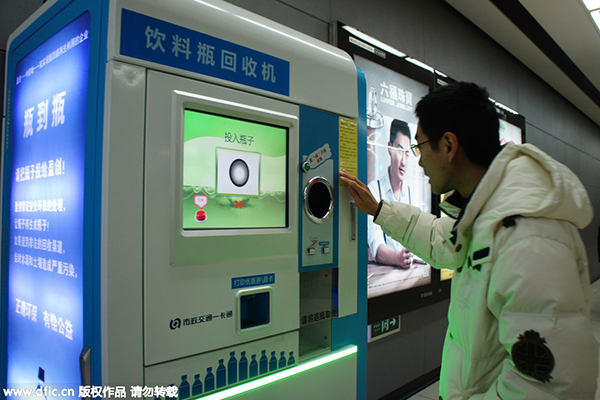
A man tries out a drinking bottle recycling machine at a subway station in Beijing, Dec 23, 2012. [Photo/IC] |
BEIJING - Open an app, locate the nearest recycling machine, throw the bottles inside and get an instant reward on your metro card.
This is how more than 18 million plastic bottles were recycled in Beijing in the past few years using 2,200 reverse vending machines (RVM) offered by Incom recycle.
Backed by one of the world's largest asset managers, Franklin Templeton Investments, and recently partnered with Norwegian recycling firm Tomra, Incom is one of many Chinese firms in the green industry that are attracting global investors' attention.
As China heads toward a green economy, the country's green sector including waste recycling, sewage disposal, energy conservation are growing at a rapid pace and are hungry for investment -- from both home and abroad.
According to official estimation, China will need at least 2 trillion yuan ($313 billion) every year to fund its green sector, 85 percent of which needs to come from capital other than fiscal fund.
The waste recycling market alone is huge and hardly tapped: an estimated 500 billion beverage containers need to be recycled every year, making China the single biggest market for global recycling companies seeking expansion.
The development of the green industry in China is still at the preliminary level, said Haakon Volldal, vice president of Tomra, the world's biggest RVM maker that just established two joint ventures with Incom in China this month.
"In this five-year period, China can take big steps towards having a professional green industry," Volldal said.
Green means business
The biggest obstacle for green companies to get the funding they need is always their own profitability.
Traditionally, green companies operate much more like non-profits with low returns or even live solely on government support, deterring typical investors looking for high returns.
But companies like Incom are changing the traditional mindset by incorporating Internet technology into its business model to prove one fact: green companies can make money, too.
For the first time since its founding in 2008, Incom recycle has turned a profit this year through selling equipment and advertising for beverage brands on the machines, according to the company's general manager Chang Tao.
Future income streams may also be generated from data on consumption patterns collected by its machines -- do people in Beijing actually drink Coca-Cola more than Pepsi? Which flavor sports drinks do males in Chongqing prefer?
- Britain's Cameron says time to bomb militants in Syria
- Russia accept full suspension from athletics
- Turkish and Russian FMs to meet in Belgrade
- S.Korea, DPRK agree to hold vice ministers' meeting for improved ties
- Avoiding escalation over Russian warplane downing
- Rights panel presses US over scientists' cases
 A day in the life of a deliveryman
 Orphanage shows love and compassion across borders
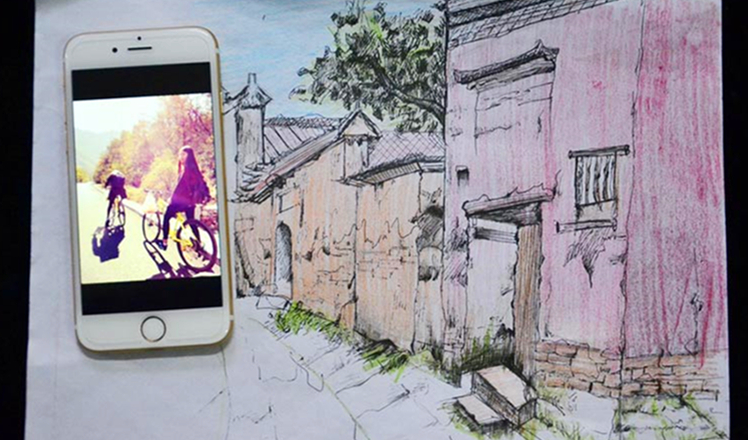 College student paints creative travelogue
 Macy's Thanksgiving Day Parade colors NYC
 Obama pardons National Thanksgiving Turkey 'Abe'
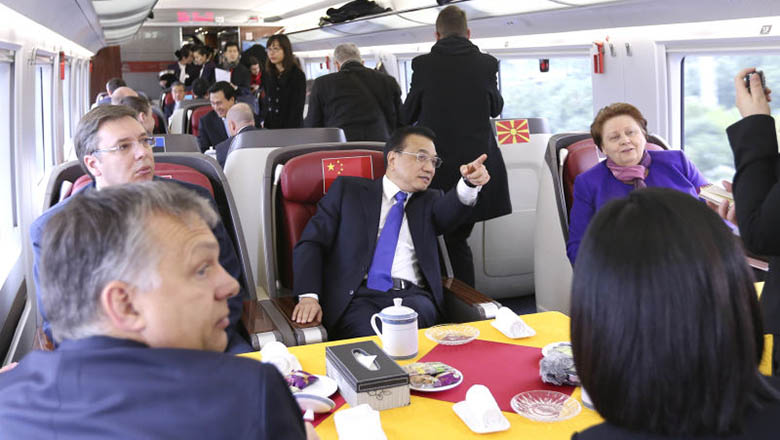 Premier road show: Li takes CEE leaders on high-speed train ride
 Trending: Love through war and peace
 Miss World 2015 to be crowned in Sanya
Most Viewed
Editor's Picks

|

|


|

|

|

|
Today's Top News
Chinese president arrives in Turkey for G20 summit
Islamic State claims responsibility for Paris attacks
Obama, Netanyahu at White House seek to mend US-Israel ties
China, not Canada, is top US trade partner
Tu first Chinese to win Nobel Prize in Medicine
Huntsman says Sino-US relationship needs common goals
Xi pledges $2 billion to help developing countries
Young people from US look forward to Xi's state visit: Survey
US Weekly
|

|