Cameras and carbines capture life during wartime
Updated: 2015-09-06 04:33
By Zhao Xu(CHINA WATCH)
|
||||||||


 |
|
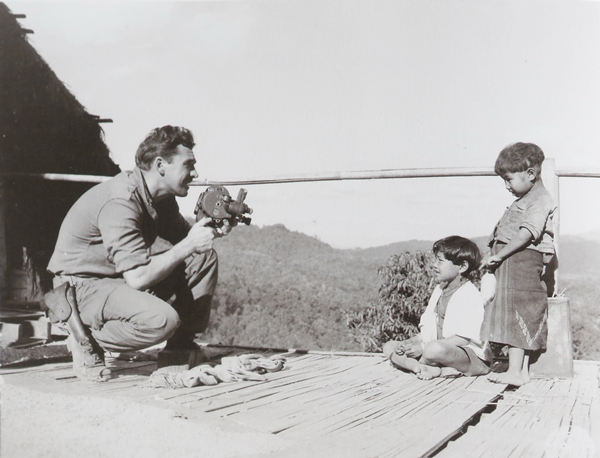
A soldier-cameraman shoots footage of local children. PROVIDED TO CHINA DAILY |
Niu Zi, a documentary filmmaker and amateur historian, says the men of the 164th were “soldiers and artists” whose photos bear witness to the neglected history of the CBI.
“During the war, the U.S. Army sent camera companies to all overseas battlefields. In that sense, the 164th was not special,” he said. “However, as cameras were a rarity in that part of China in the 1940s, their black-and-white photos and movie footage constitute not just footnotes to history, but history itself.”
The bulk of the company’s images — an estimated 23,000 pictures — are housed at the National Archives and Records Administration in Washington. In 2010, Niu and some friends spent two months at the archives searching, photocopying and recording everything they could find about China and the CBI during WWII.
The photographers of the 164th were truly “embedded,” long before the word became popular in the reporting of modern warfare. Most of the time, the U.S. soldiers dressed like Chinese infantrymen, right down to the rope sandals they wore on their feet.
Philip Greenberg said his father’s unit was warned not to wear their U.S. Army uniforms because the Japanese would target the highest-ranking personnel. “It wasn’t long before my dad’s captain, who wore a U.S. Army helmet, was killed by a Japanese sniper,” he said.
Having been taught what he called “Chinese decorum” on the voyage to the war zone, Sydney Greenberg later discovered a “secret weapon” — cigarettes. Using the cartons he received from back home, the photographer would hand them out to locals, and he was rewarded with a new level of access and intimacy.
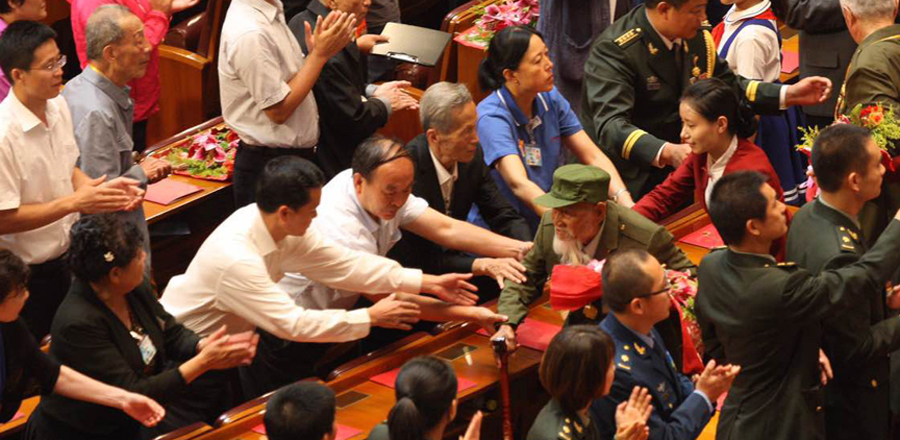
 Veterans attend V-Day anniversary gala show
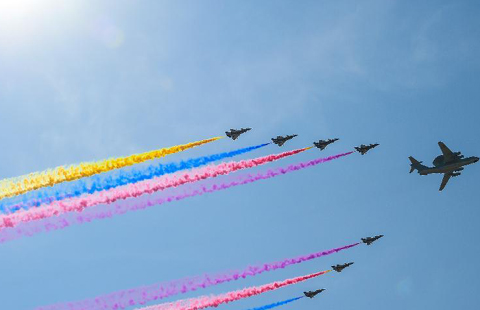 Military helicopters write number 70 high in the sky
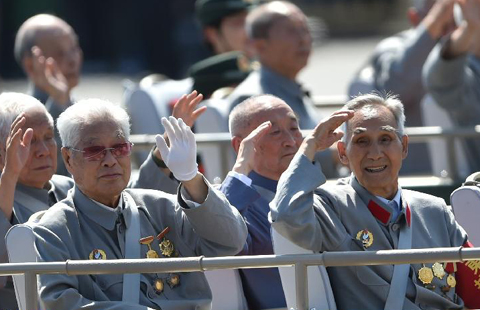 Salute to veterans
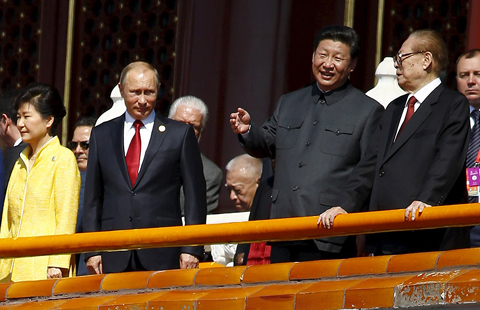 Xi attends the ceremony with other leaders
 Armored vehicles roll down the parade in huge roar
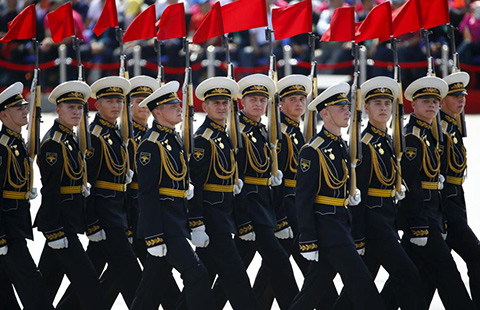 Foreign troops celebrate with Chinese comrades
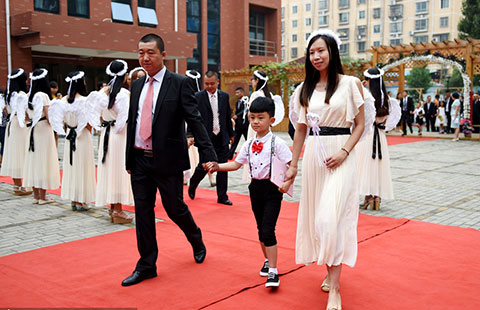 Red carpet ceremony for first grade kids
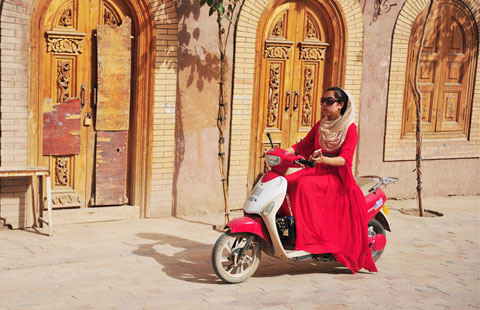 Kashgar old city in Xinjiang is well preserved
Most Viewed
Editor's Picks
|
|


|
|
|

|
Today's Top News
Sino-Russian investment fund eyes more deals
Predicting Internet's future without a crystal ball
Silk Road Fund to expand ties with lenders
Intl community echoes Xi's speech at V-Day commemoration
Envoy hails New York resolutions
Nation's military power grows but still trails behind
China to cut troops by 300,000: President Xi
Springfield gets Chinese railcar plant
US Weekly

|

|